







Search Results for: EK43 Grinder
A Complete Analysis of Mahlkönig EK43 Models: Differences from Ditting Horizontal Burrs and Grinding Performance Comparison
As the "legendary machine" in the specialty coffee world, the Mahlkonig EK43 has long since risen from a single-origin grinder to a standard fixture in espresso cafés, thanks to its outstanding grind uniformity and extraction performance. From early experiments at Café Myriade in Montreal in 2009 to Matt Perger's endorsement on the world competition stage in 2013, the EK43 was gradually elevated to iconic status. Meanwhile, Ditting, another "high-end grinder," is often compared with the EK43, with each having its own strengths in burr layout and flavor profile. This article reviews the grind settings and structural differences among the EK43 series versions (EK43S, EK43T, EK43, EKK43), traces its rise to fame, and compares the design features of Ditting's horizontal flat burrs. Combined with Matt Perger's particle experiment data, it analyzes why the EK43 can achieve more uniform extraction. Front Street Coffee will also share related product recommendations in this article. [more…]

Complete Answers to Coffee Grinder Bean Jam and Washed Coffee Questions: Burr Disassembly Steps and Ek43 Cleaning and Maintenance Practical Guide
Once a grinder lacks regular maintenance, even the highest-end model will age faster. This article focuses on several practical problems most commonly encountered by coffee enthusiasts: how to safely handle a jammed grinder, whether a grinder can be rinsed directly with water, the correct way to remove the burrs, and, using the Ek43 as an example, the deep cleaning and daily maintenance process. The article also combines Front Street Coffee's equipment experience to offer actionable maintenance suggestions that help you extend your grinder's lifespan and keep output consistent. [more…]
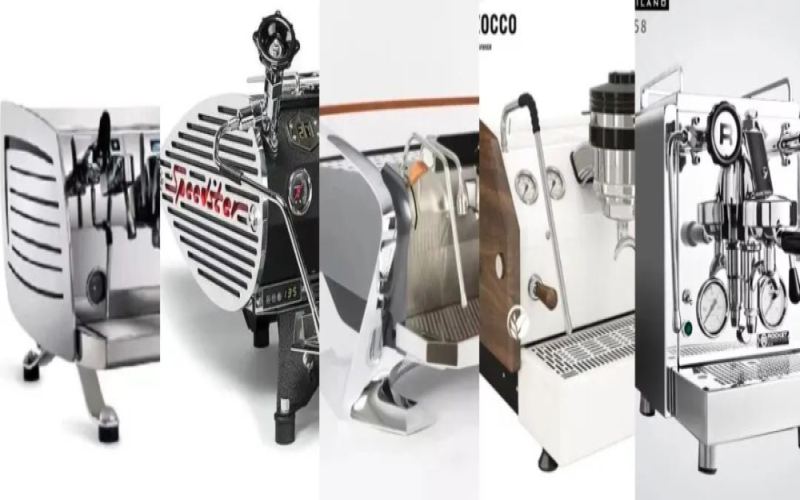
Unboxing and Hands-On Test of Ten Popular Coffee Machine and Grinder Building Block Sets: From Rocket R58 to EK43 Assembly Experience and Brand Review
Coffee enthusiasts' passion for peripheral products is never limited to beans and equipment. This time, we got our hands on ten popular coffee machine and grinder building block models available on the market all at once, covering five series: Late Autumn in Sicily, Midsummer Green, Roman Holiday, Twilight Venice, and Early Spring in Milan, and it took us a week to complete the assembly. From basic models to patience-testing ones, the number of pieces, color schemes, and fidelity to the original machines vary. The article will introduce one by one the real coffee equipment parameters corresponding to each building block set, including Rocket R58, EK43, Slayer Steam EP, Mythos One, La Marzocco GS3, Ultra, Victoria Arduino VA388, LWW EG-1, Kees Speedster, and Mazzer Super Jolly, while also sharing the actual performance of domestic building blocks in terms of fit and structural support. If you also like coffee peripherals, why not take a look at these interesting little items together. [more…]

How to Interpret Coffee Grind Settings from 1-10? A Detailed Guide to EK43 Grinder Calibration and Pour-Over Coarseness Selection
Grind size has a decisive influence on the final flavor of a cup of coffee: if the grounds are too fine, over-extraction is likely; if too coarse, under-extraction may occur. Faced with the 1-to-10 settings on a grinder, many coffee enthusiasts don't know how the numbers correspond to coarseness, nor are they clear about what grind level to choose for different brewing methods. Drawing on the practical experience of Front Street Coffee, this article systematically sorts out the standards for coffee grind size, the appropriate grind levels for common brewing methods, and the reference values for the EK43 grinder. It also explains in detail how to use a 0.85mm No. 20 sieve for sieve verification, helping you accurately judge and adjust grind size at home, so that every cup of coffee can consistently present its ideal flavor. [more…]
How to Fine-Tune the EK43 Grinder Settings? A Detailed Guide to Quickly Verifying Pour-Over Coffee Grind Size
Grind size is the key variable that determines the success or failure of a cup of coffee extraction. If the grounds are too fine, they tend to over-extract and become bitter; if the grounds are too coarse, the extraction is insufficient and the flavor is weak. Starting from the practical experience of Front Street Coffee, this article systematically explains the mechanism by which grind setting affects extraction efficiency, sorts out the grind ranges corresponding to different brewing methods such as espresso, pour-over, and French press, and focuses on explaining the setting of the EK43s grinder in the pour-over scenario—medium-light roast beans are recommended at 10, and medium-dark roast beans at 10.5. It also introduces the specific operation of using a 0.85mm No. 20 sieve for sifting verification, helping coffee enthusiasts quickly judge and correct the grind size, so that every cup of coffee can consistently present the ideal flavor. [more…]
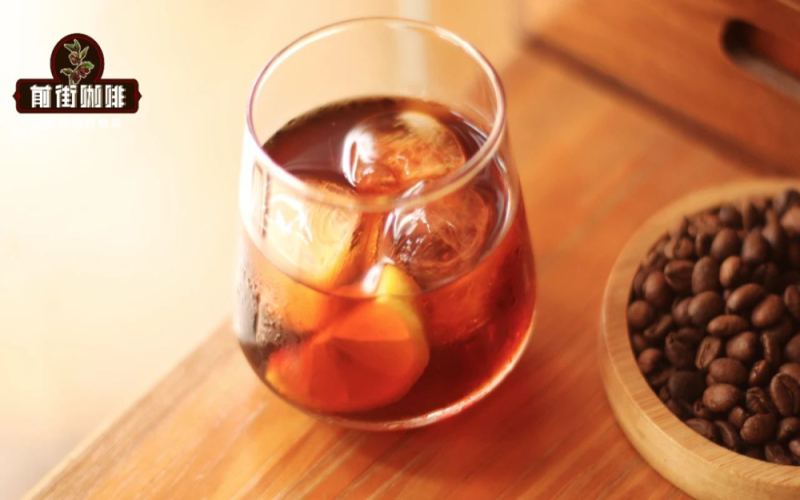
Coffee Grind Size Comparison Guide: A Detailed Explanation of EK43s Grind Setting Particle Sizes and Sieve Pass-Through Rates
Grind size is the key variable that determines the direction of coffee flavor, but how coarse counts as coarse and how fine counts as fine has always lacked a unified standard. This article uses the industry-recognized cupping grind as a baseline, and with the help of the passing rate through a No. 20 standard sieve, quantifies the grind requirements for French press, pour-over, cold brew, ice drip, and even espresso machines one by one, and also includes reference settings for the EK43s grinder. The article also specifically reminds readers that differences in coffee bean density and roast level will cause the same setting to produce different particle sizes, and finally provides Front Street Coffee's espresso extraction plan as a debugging example to help enthusiasts turn grinding from an empirical judgment into a reproducible data-driven operation. [more…]
Coffee Grind Size Comparison Guide: A Detailed Explanation of Electric Grinder Settings, Particle Diameter, and Brewing Compatibility
Grind size is the key variable that determines the success or failure of coffee extraction, and different brewing devices have significantly different requirements for particle diameter. This article systematically sorts out the corresponding grind settings from French press to espresso machine, introduces the industry-recognized cupping standard and the No. 20 sieve pass rate as calibration references, and provides specific scale references for the EK43s grinder. Whether you prefer immersion or pour-over, you can find suitable grind parameters here. The article also specifically reminds readers that coffee bean density and roast level will affect the actual particle coarseness at the same setting, so it is recommended to repeatedly confirm with the same beans. Several Front Street Coffee beans are also used as examples throughout to help readers understand the logic of grind adjustment more intuitively. [more…]
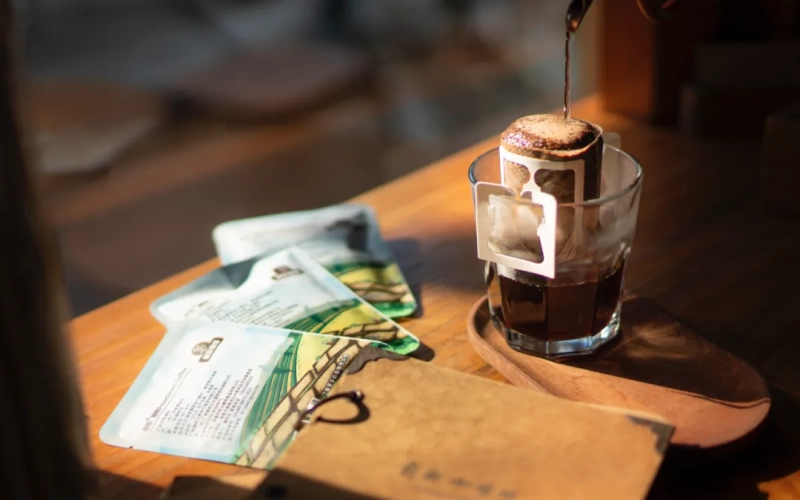
How to Choose the Grind Size for Drip Bag Coffee? Parameters for Each Roast Level, Brand Flavors, and DIY Steps
The grind size of drip bag coffee directly affects the extraction flow rate and the final flavor, and different roast levels need to be matched with different grinder setting parameters. This article will cover three categories—light-medium roast, medium-dark roast, and espresso blend—and provide the specific grind settings and sieving rate references for the EK43s and C40 grinders, and recommend corresponding products such as Front Street Yirgacheffe, Natural Huakui, Mandheling, Brazil Cerrado, and the classic espresso blend. At the same time, it provides a complete introduction to the entire homemade drip bag process, from bean selection and grinding, filling and sealing, to storage and optimal flavor period management, helping coffee enthusiasts make drip bags with stable flavor at home. [more…]
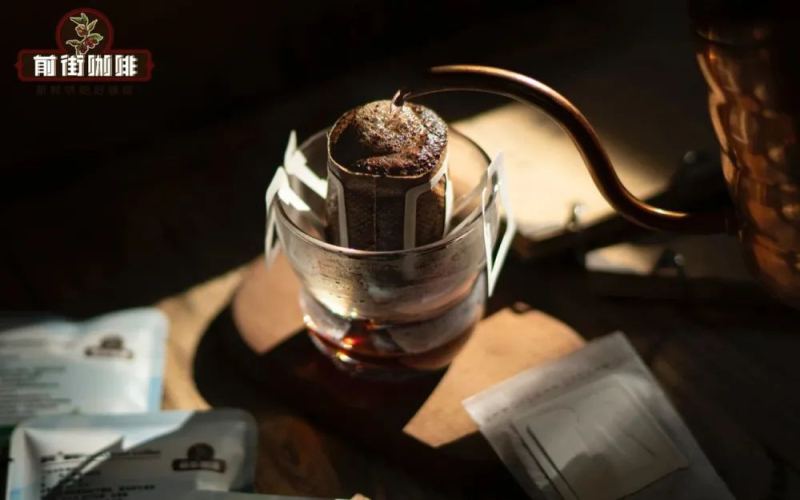
How to choose the grind size for pour-over coffee? How many grams of grounds should go into each homemade drip bag?
More and more people are starting to drink pour-over coffee, but busy daily life makes drip bags a compromise choice. Buying ready-made drip bags is convenient, but the aroma fades quickly; buying beans and grinding them fresh to make your own locks in more flavor and saves you from worrying about them going stale. This article is for friends who want to make their own drip bags at home. It first breaks down how coarse pour-over coffee beans should be ground—what sieve passing rates and EK43s and C40 settings correspond to light-medium roasts, medium-dark roasts, and dark-roast espresso beans—then uses Yirgacheffe Red Cherry as an example to demonstrate, and finally explains in three steps the 10g-per-packet portioning, sealing, and storage method, with reference to several Front Street Coffee drip bag flavor profiles. [more…]
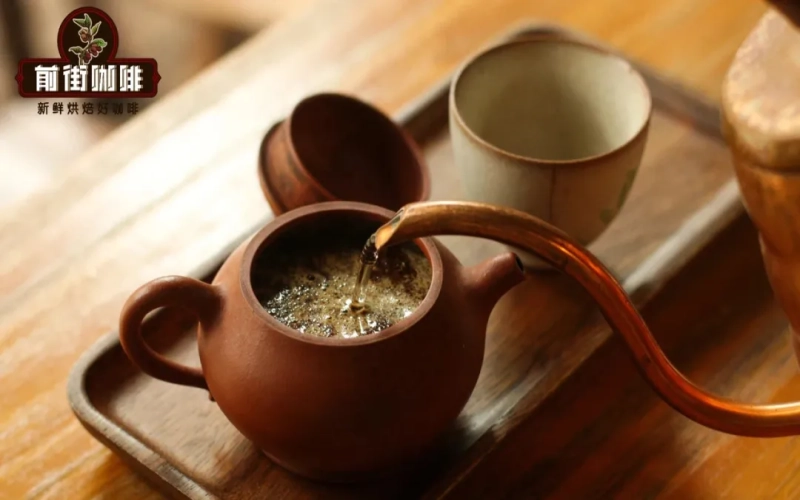
Can an espresso machine also brew concentrated tea? Testing the methods, parameters, and precautions for brewing tea with an espresso machine
The extraction principles of coffee and tea are essentially the same. Since an espresso machine can use pressure to extract a high-concentration coffee in a short time, can it also be used to extract a cup of "espresso tea"? With this question in mind, Front Street conducted an actual test: from the choice of grinding equipment, the adjustment of tea leaf dosage, to the control of the powder-to-water ratio and extraction time, the entire process of extracting tea with a coffee machine was fully recorded. Experiments have shown that a coffee machine can indeed extract tea with a concentration comparable to espresso, but many pitfalls were also encountered during the process—difficulties in cleaning the grinder, clogged portafilter baskets, and tea fragments seeping in and affecting the taste appeared one after another. This article will share the specific parameters and operating details, and give Front Street's practical advice: if you really want to try it, it is best to be mentally prepared, or add professional tea extraction tools. [more…]
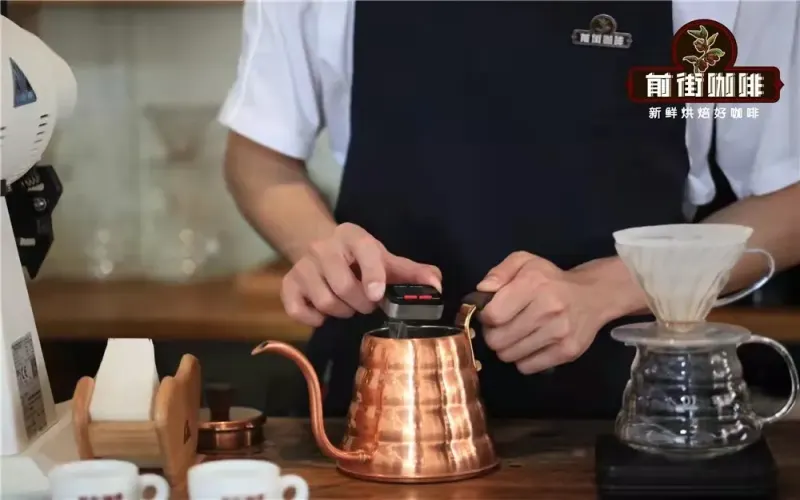
How to Calibrate Pour-Over Coffee Grind Size? A Guide to 80% Pass Rate on a #20 Sieve and Grinder Setting Adjustment
Grind size is the most difficult part of pour-over parameters to master. Front Street Coffee uses an 80% pass rate through a No. 20 sieve as a beginner-friendly calibration baseline, but different grinders vary enormously in performance, and the same sieve pass rate can produce drastically different flavor outcomes. This article centers on grind calibration: it first explains the limitations of the sieve method and the particle size distribution characteristics of uniform grinders such as the EK43s, then offers remedies for poor-quality grinders, including hand grinder RPM control, the pull-back technique for staged grinding, and the direction for adjustment when too many fines cause off-flavors. Finally, it discusses the criteria for deciding whether sieving is necessary and the practical technique of a single-pour flush to wash away fines, helping you find the grind parameters that suit you. [more…]
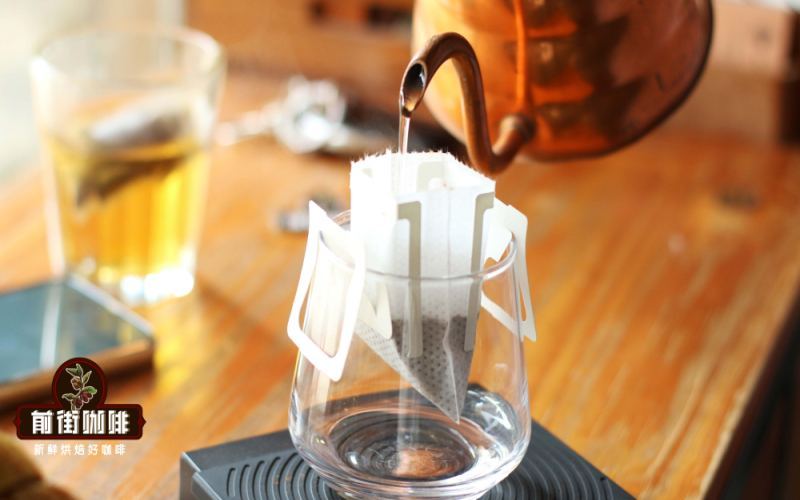
How to judge the grind size for drip bag coffee, how much coffee powder to put in a single pack, and the complete process for making your own drip bag coffee
Want to make your own drip coffee bags but aren't sure how coarse the coffee grounds should be or how many grams to put in each bag? Actually, the bar to making your own drip bags isn't that high—as long as you have a grinder, drip filter bags, a digital scale, and a sealer, you can get started. The grind size directly affects the flow rate during brewing, which in turn determines the strength and flavor of the coffee, so beans of different roast levels need to be matched with different settings. This article will walk you through the whole process of making your own drip bags, from tool preparation, grind parameter references, filling and sealing, to storage methods, and includes complete brewing steps, so you can easily make a smooth cup of drip coffee at home. [more…]
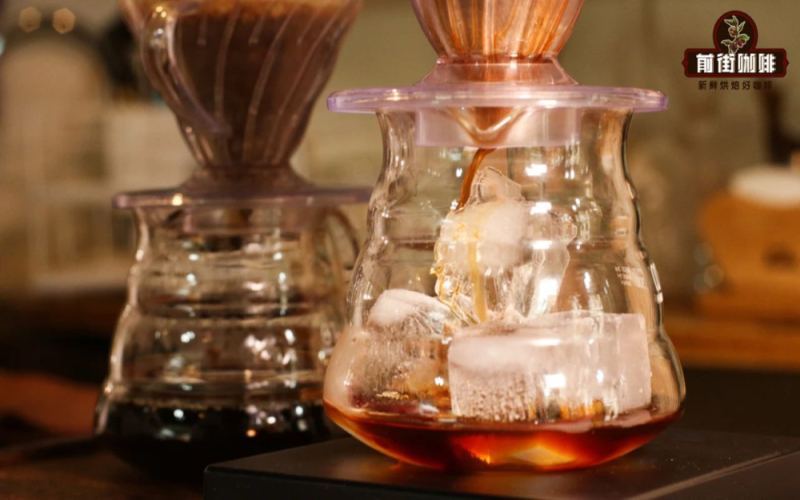
Comparison of Ice Addition Timing for Iced Hand-Brewed Coffee: An Analysis of Front Street's Japanese-Style Iced Hand-Brew Parameters and Sensory Differences
Should ice be added before or after brewing when making iced pour-over coffee? This question puzzles many coffee lovers. Front Street Coffee conducted a controlled experiment using 15 grams of Kaffa Forest coffee beans, a 1:10 coffee-to-water ratio, a water temperature of 90-91°C, and a grind setting of 9 on an EK43s grinder, testing two brewing sequences: ice added first and ice added last. The experiment found that after thorough shaking, the two methods performed quite similarly overall, but the coffee with ice added first tasted cleaner and more refreshing, while the one with ice added last had a more concentrated and intense aroma. The root of the difference lies in how much ice melts. This article will present the complete experimental parameters, step-by-step procedure, and sensory comparison results to help readers understand how the timing of ice addition affects the flavor of iced pour-over coffee. [more…]
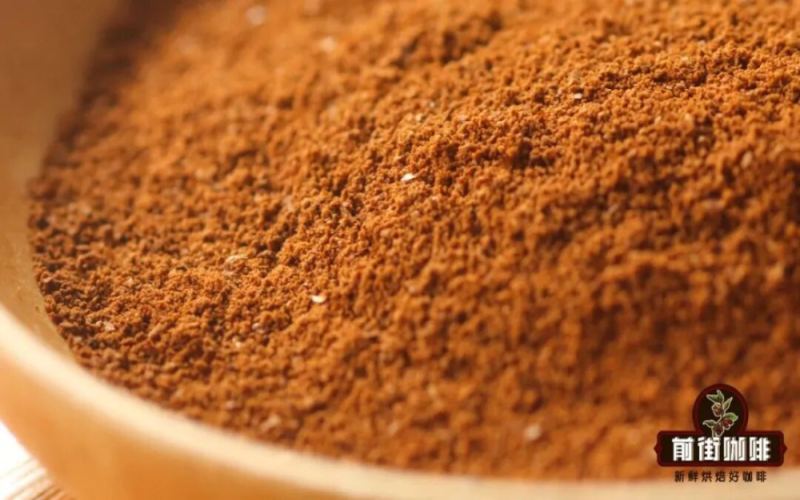
How Fine Should You Grind for Pour-Over Coffee? A Full Breakdown of Hand Grinder vs. Electric Grinder Differences
Among the many variables in pour-over coffee, grind size is a key link that determines the direction of extraction. Particle size directly affects the contact area between water and coffee grounds, which in turn influences flavor expression: too coarse leads to under-extraction, while too fine may cause over-extraction and bitterness. However, many beginners often fall into pitfalls when adjusting the grind—memorizing settings, making drastic grind adjustments, and ignoring uniformity. This article will start from the basic principles of grinding, analyze these common problems one by one, and with the help of Front Street · Little Tomato's comparative test, demonstrate the actual differences between electric grinders and hand grinders in particle distribution and flavor presentation, and finally provide purchasing advice for entry-level equipment to help coffee enthusiasts establish a scientific approach to grind adjustment. [more…]
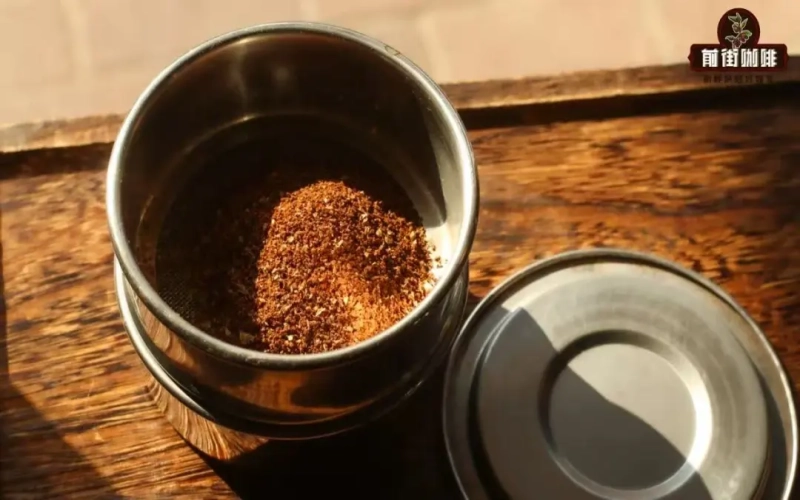
How Do Coffee Bean Density and Brittleness Affect Grind Size? A Guide to Choosing Grind Settings for Pour-Over Coffee
Many pour-over enthusiasts have discovered when testing ground coffee with a sieve that the same grind setting produces different passing rates for different bean varieties. Front Street Coffee recently received similar questions: why does particle size vary under the same grind setting? The core reason lies in the differences in bean density and brittleness—high-altitude, light-roasted beans tend to be harder and denser, producing fewer fines during grinding; low-altitude, dark-roasted beans are more brittle and prone to crumbling into fines. Only after understanding this principle can one adjust the grind size for different beans. This article combines medium-light roasted beans such as Front Street Yirgacheffe Gotiti, Front Street Ethiopia Hachira, and Front Street Granja Geisha, as well as medium-dark roasted beans such as Front Street PWN Golden Mandheling, Front Street Brazil Queen's Estate Yellow Bourbon, and Front Street Jamaica Blue Mountain No. 1, to provide specific EK43 settings and No. 20 sieve passing rate recommendations, helping coffee enthusiasts achieve consistent results. [more…]
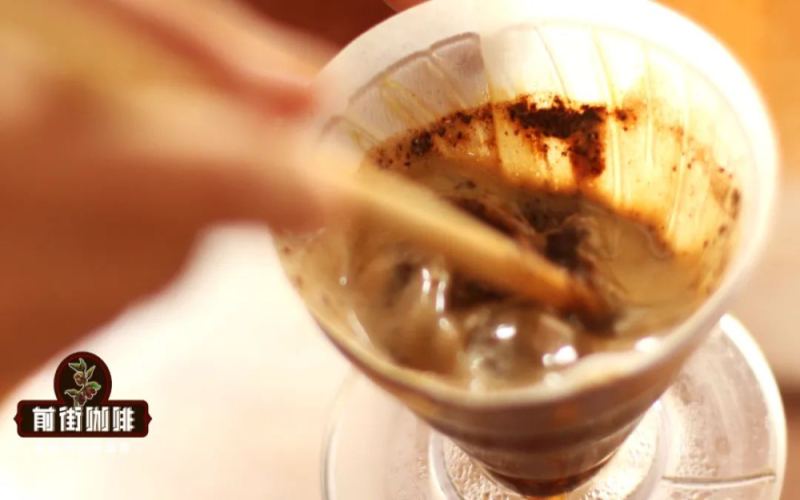
How Should You Adjust Parameters for the "Egg-Whisking" Style Pour-Over? Front Street Coffee Breaks Down Three Rounds of Testing to Explain the Boost in Sweetness and What Causes Clogging
Pour-over coffee brewing methods are endless, and recently a technique called the "egg-beating brewing method," a stirred extraction approach, has made a comeback, reportedly able to significantly boost coffee's sweetness. Front Street, driven by curiosity, conducted three rounds of comparative experiments: starting with a light-to-medium roast natural-process bean without blooming, then switching beans and adjusting the coffee-to-water ratio, and finally reintroducing the blooming step, to verify this technique's actual effects and problems one by one. The article meticulously records each round's brewing parameters, techniques, and flavor performance, and analyzes how grind size, water temperature, coffee-to-water ratio, and blooming affect the final cup's taste. If you also want to try this novel stirred extraction, or are looking for brewing ideas to enhance sweetness, this hands-on record will provide concrete references. [more…]
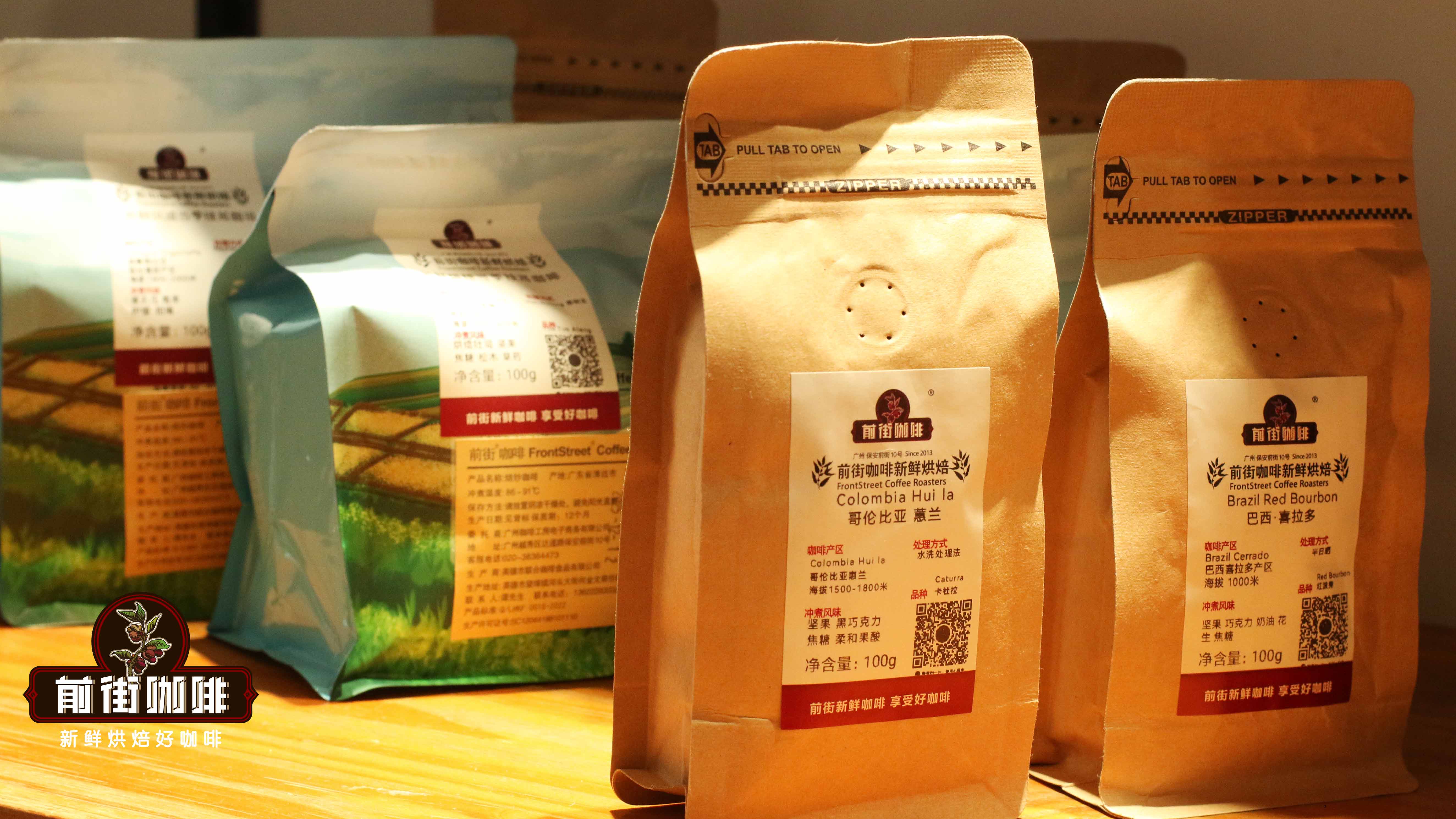
Espresso Machine vs. Hand Grinder Comparison: Coffee Bean Types Suitable for Hand Grinding and Brand Flavor Details
Hand-ground coffee and espresso machines are two common ways of making coffee, and they differ in extraction principles, flavor presentation, and suitable bean types. Espresso machines rely on high pressure for rapid extraction, delivering rich crema and intense flavor; pour-over, by contrast, uses hot water soaking and filtration to reveal the finer origin-specific character of coffee beans. In this article, Front Street Coffee provides a detailed comparison of the differences between the two, and recommends several single-origin coffee beans suitable for hand grinding and brewing, including washed Yirgacheffe, Costa Rica Tarrazú, and Indonesia Lintong Mandheling, while also providing specific brewing parameters and techniques to help coffee lovers find a hand-ground coffee solution that suits their taste. [more…]
A complete illustrated guide from bean selection to filtration: a six-step tutorial for easily making naturally sweet cold brew coffee at home
Cold brew coffee, with its natural sweetness and smooth mouthfeel from natural fermentation, has always had a loyal following, but its often high price tag makes many people hesitate before buying. In fact, making cold brew at home is not as complicated as you might think—all you need is an airtight container, a single-origin bean you like, and room-temperature drinking water. Mix them in proportion, refrigerate for eight hours, then filter through filter paper, and you'll have a clean, clear cup of cold brew. Using Front Street's chosen Costa Rica Mozart 50g, EK43s grinder at 9 setting for iced pour-over grinding, and a 1:12 coffee-to-water ratio as specific parameters, this article demonstrates all six steps in a step-by-step format with photos and text, helping you turn the high price tag into an everyday pleasure within easy reach. [more…]
What Exactly Does Espresso SOE Coffee Mean? Differences from Single-Origin Beans, Analysis of Flavor and Production Challenges
Many coffee enthusiasts are curious about whether SOE and single-origin beans are actually the same thing, and how it differs from regular espresso. SOE was originally just an abbreviation for "Single Origin Espresso," yet under commercial packaging it has been given a more premium image. This article, from the perspective of Front Street Coffee, sorts out the origins of the SOE concept, its market positioning, and the real reasons why the shop has been slow to launch SOE. The article also covers practical details such as roast level matching, grinder limitations, and extraction parameter adjustments, and explores the thresholds a good cup of SOE must meet in terms of bean selection, roasting, and quality control. Whether you want to understand the concept or are curious about why SOE easily becomes a gimmick, you can find answers here. [more…]
Japanese-style iced pour-over coffee brewing demonstration | What is single-pour iced pour-over? What is a suitable coffee-to-water ratio for iced pour-over coffee?
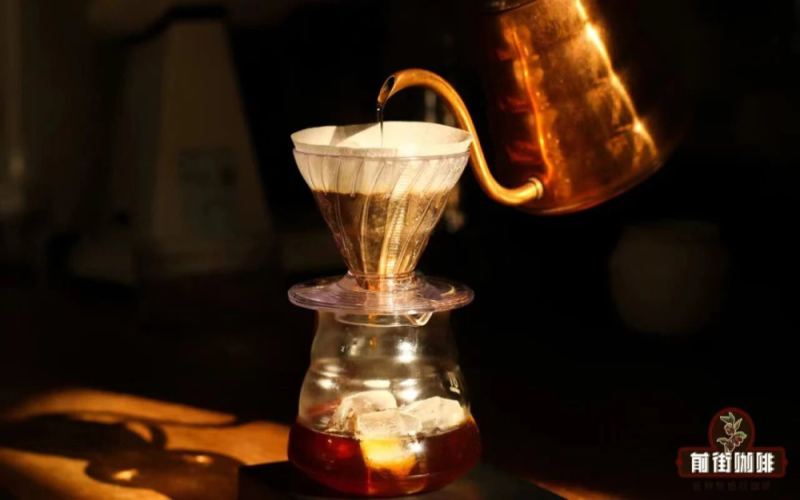
The recent weather is so hot it feels like it could melt you in minutes. In this kind of weather, anyone still willing to happily meet up at a café is definitely a friend for life! But even in such hot weather, you can't just give up coffee, right? So, if you don't want to go out, can't afford a cold drip tower, and can't wait several hours for cold [more…]